Introduction
In the textile manufacturing industry, fabric strength begins at the weave level. While yarn quality and GSM are important, the weave structure plays a critical role in determining tensile strength, tear resistance, abrasion durability, and overall fabric performance.
For businesses sourcing from a heavy cotton denim fabric supplier, understanding weave construction helps in selecting the right material for industrial workwear, upholstery, and heavy apparel manufacturing.
This blog explains how denim weave structure enhances strength — especially in bull denim fabric wholesale applications.
Understanding Denim Weave Structure
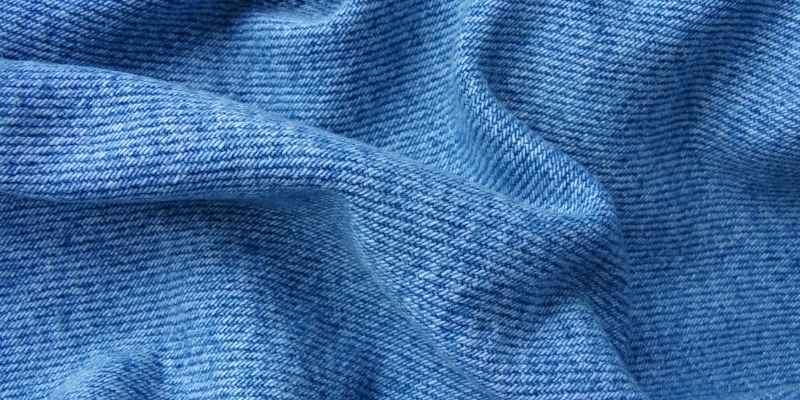
Denim is traditionally woven using a twill weave structure, characterized by diagonal rib patterns on the surface. Unlike plain weave, twill interlaces warp and weft yarns in a staggered pattern, creating stronger interlocking points.
Core Elements of Denim Weave:
- Warp yarn dominance
- Twill line formation (usually 2/1 or 3/1 weave)
- Higher yarn packing density
- Strong interlacing structure
This construction makes denim significantly more durable than many other cotton fabrics.
What is Twill Weave in Denim?
Twill weave is created when the weft thread passes under one or more warp threads and then over two or more warp threads in a repeated pattern.
Common denim twill patterns include:
- 2/1 Twill
- 3/1 Twill (most common in heavy denim)
- Broken twill
For heavy duty denim fabric for manufacturing, 3/1 twill is widely preferred due to:
- Increased surface strength
- Enhanced durability
- Better fabric drape with structure
How Weave Structure Improves Fabric Strength
1. Higher Tensile Strength
Tensile strength refers to how much pulling force a fabric can withstand before breaking.
Bull denim’s tight twill weave:
- Distributes tension evenly
- Reduces yarn breakage
- Enhances load-bearing capacity
This makes it suitable as an industrial denim fabric material for workwear and protective garments.
2. Improved Tear Resistance
Tear resistance is critical in industrial applications.
Because of its diagonal weave pattern:
- Stress spreads across multiple yarns
- Localized tearing is minimized
- Fabric maintains integrity under strain
This is why manufacturers consider bull denim the best denim fabric for work clothing.
3. Enhanced Abrasion Resistance
In work environments, garments constantly rub against surfaces.
Twill weave improves abrasion resistance by:
- Creating tighter yarn interlocking
- Reducing surface yarn displacement
- Increasing fabric compactness
This is essential for buyers sourcing thick denim fabric for workwear.
4. Increased Yarn Packing Density
Bull denim features a high yarn count per inch, meaning:
- More yarns are woven into each square inch
- Fabric becomes denser and stronger
- Higher GSM values are achieved
High-density weaving contributes to its reputation as a durable denim cotton fabric.
Bull Denim Weave vs Regular Denim Weave
While both use twill weave, bull denim differs in:
- Heavier yarn thickness
- Higher warp yarn count
- Increased fabric GSM
- Tighter loom settings
- These enhancements significantly improve:
- Tensile strength
- Seam retention
- Industrial durability
This makes bull denim a superior choice for bull denim fabric wholesale buyers focused on heavy applications.
GSM and Weave Structure Connection
GSM (grams per square meter) measures fabric weight.
Weave structure impacts GSM because:
- Tighter weave increases weight
- Higher yarn density adds strength
- Compact interlacing improves durability
Manufacturers working with a heavy cotton denim fabric supplier often request higher GSM bull denim for:
- Workwear
- Protective uniforms
- Tool aprons
- Upholstery
Shrinkage Control Through Weave Stability
Weave structure influences shrinkage percentage.
Tightly woven bull denim offers:
- Controlled shrinkage rates
- Improved dimensional stability
- Better garment size consistency
For export buyers searching for a strong denim textile supplier, shrinkage control is a critical technical factor.
Tensile Strength & Industrial Performance
In technical testing, denim strength depends on:
- Yarn quality
- Warp-to-weft ratio
- Twill angle
- Finishing process
Bull denim’s reinforced weave structure enhances tensile results, making it ideal as a heavy duty denim fabric for manufacturing.
Role of Finishing Process in Strength Retention
Finishing processes such as:
- Pre-shrinking
- Brushing
- Dye fixation
- Heat setting
- Impact final performance.
Brushed bull denim fabric undergoes surface finishing without compromising structural weave integrity. The brushing enhances comfort while maintaining:
- Core strength
- Yarn stability
- Abrasion resistance
Why B2B Buyers Prioritize Weave Specifications
High-intent wholesale buyers often request:
- Weave pattern details
- Warp & weft yarn count
- GSM specifications
- Shrinkage percentage
- Tensile strength reports
- Abrasion test results
Partnering with a reliable bulk bull denim fabric supplier USA ensures access to verified technical fabric data.
Industrial Applications Benefiting from Strong Weave Structure
Products that require superior weave strength include:
- Industrial uniforms
- Protective jackets
- Heavy-duty trousers
- Cotton denim for bags and upholstery
- Equipment covers
- Utility garments
The weave construction ensures long product lifecycle and reduced replacement frequency.
Why Manufacturers Choose Bull Denim for Structural Reliability
✔ High tensile performance
✔ Strong seam retention
✔ Excellent warp stability
✔ Low fabric distortion
✔ Superior abrasion resistance
✔ Reliable high-GSM construction
For businesses sourcing bull denim fabric wholesale, weave structure consistency directly impacts product reputation and durability.
Technical Checklist When Sourcing Denim
Before selecting a supplier, verify:
- Twill weave pattern (2/1 or 3/1)
- GSM range available
- Shrinkage control percentage
- Tensile strength test reports
- Yarn count per inch
- Finishing process details
A professional heavy cotton denim fabric supplier should provide complete technical documentation for B2B buyers.
Conclusion
Denim fabric strength is not accidental — it is engineered through weave structure. The tight twill construction used in bull denim enhances tensile strength, tear resistance, abrasion durability, and overall industrial performance.
For manufacturers producing workwear, upholstery, and heavy-duty apparel, understanding weave structure is essential in choosing the right durable denim cotton fabric.
By partnering with a trusted strong denim textile supplier, businesses ensure consistent quality, technical reliability, and long-term product success.